Get Insulated Siding Installation
Insulated siding installation services help property owners improve energy efficiency, protect against weather damage, and enhance curb appeal through expert siding upgrades by local contractors.
Insulated siding installation is an effective way for property owners to enhance the energy efficiency and durability of their buildings. Whether planning a renovation or seeking to improve long-term comfort, exploring options for insulated siding can provide practical benefits that support a property's overall performance. This page is designed to help you compare local contractors who specialize in this service, making it easier to find experienced professionals in your area.
For those considering upgrades or new exterior projects, understanding the available choices and the advantages of insulated siding can be an important step in planning. Connecting with local service providers allows property owners to evaluate different approaches and select the right solutions for their specific needs. Keep reading to discover how local contractors can assist with insulated siding installation and help bring your project ideas to life.
- Homeowners seeking energy-efficient upgrades - when installing insulated siding can improve insulation and reduce utility bills.
- Property managers maintaining building exteriors - when enhancing building insulation and weather resistance is a priority.
- Homeowners preparing for seasonal weather changes - when adding insulation to protect against cold or heat infiltration.
- Renovators enhancing residential curb appeal - when upgrading siding to increase home value and aesthetic appeal.
- Commercial property owners upgrading building insulation - when seeking to improve energy performance and exterior durability.
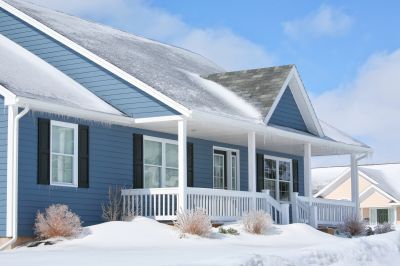
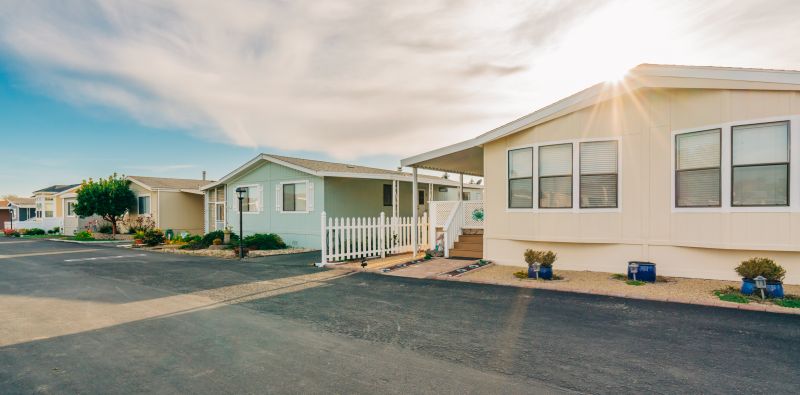
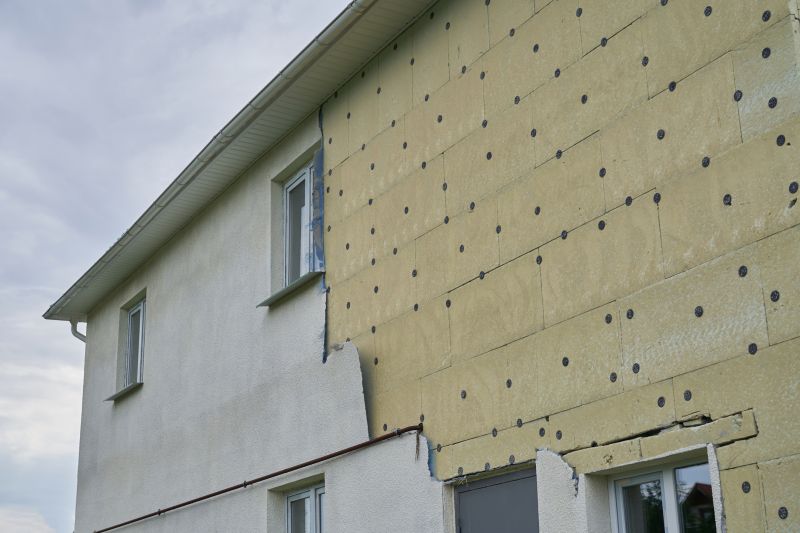
Insulated siding installation involves attaching a layer of foam insulation beneath new or existing siding to improve a building’s thermal performance. This service typically includes removing old siding if necessary, installing the insulation panels securely, and then applying durable siding over the top. The goal is to create a more energy-efficient exterior that helps maintain indoor temperatures, reducing heating and cooling costs. Local contractors who specialize in insulated siding can help homeowners upgrade their homes with this layered approach, offering a solution that combines insulation and exterior cladding in one project.
One of the primary problems insulated siding helps address is heat loss through the walls, which can lead to higher energy bills and uncomfortable indoor environments. It also helps mitigate drafts and cold spots that develop over time, especially in older properties with less efficient insulation. Insulated siding can also serve as a barrier against moisture infiltration and improve the overall durability of the exterior surface. Homeowners experiencing rising utility costs or noticing uneven indoor temperatures may find that this service provides an effective way to enhance comfort and reduce ongoing expenses.
Insulated siding is suitable for a variety of property types, including single-family homes, townhouses, and multi-family buildings. It is often chosen for residential properties that require an upgrade to their exterior insulation or a refresh of their siding materials. Commercial buildings and multi-unit residences may also benefit from this service, particularly when energy efficiency and exterior durability are priorities. Whether a property is older and in need of insulation improvements or newer and seeking to boost exterior protection, local contractors can tailor insulated siding solutions to meet specific building needs.
Homeowners considering insulated siding installation should assess their property’s current exterior condition and energy performance. This service is particularly beneficial for those experiencing drafts, high energy bills, or visible deterioration of existing siding. Additionally, properties located in climates with significant temperature fluctuations often see the most benefit from added insulation. By connecting with experienced local service providers, homeowners can explore options that enhance their home’s comfort, protect against weather-related wear, and improve the overall exterior appearance.
The overview below groups typical Insulated Siding Installation projects into broad ranges so you can see how smaller, mid-sized, and larger jobs often compare in your area.
In many markets, a large share of routine jobs stays in the lower and middle ranges, while only a smaller percentage of projects moves into the highest bands when the work is more complex or site conditions are harder than average.
Smaller Repairs - Typical costs for minor insulated siding repairs range from $250 to $600. Many routine jobs fall within this range, covering patching or replacing small sections of siding. Larger or more complex repairs can cost more depending on the scope.
Partial Replacement - Replacing sections of siding usually costs between $1,200 and $3,500. This range is common for projects where only parts of the siding are upgraded or replaced, with fewer projects reaching the higher end of the spectrum.
Full Siding Replacement - Complete siding installation services generally range from $5,000 to $15,000. Most projects fall into the middle of this range, though larger, more intricate jobs can exceed $20,000 depending on size and materials.
Material & Design Choices - The cost varies based on the type of insulation and siding materials selected, with premium options potentially increasing the price. Local contractors can provide estimates tailored to specific preferences and project details.
Actual totals will depend on details like access to the work area, the scope of the project, and the materials selected, so use these as general starting points rather than exact figures.
Siding Repair and Replacement - many of the skills used in insulated siding installation are applicable to repairing or replacing existing siding to improve durability and insulation.
Exterior Wall Insulation - installing additional insulation on exterior walls often involves similar planning and tools as insulated siding projects to enhance energy efficiency.
Cladding Installation - applying various types of exterior cladding shares techniques with insulated siding, requiring precise measurement and surface preparation.
Home Exterior Renovations - comprehensive exterior upgrades often include siding work, requiring coordination of planning, materials, and installation methods.
Ventilation System Installation - proper ventilation is essential in exterior wall projects, aligning with the planning and execution of insulated siding to prevent moisture issues.
Facade Enhancement Projects - improving the appearance and insulation of building facades involves similar skills in surface preparation and weatherproofing as insulated siding installation.
When comparing local contractors for insulated siding installation, it’s important to consider their experience with similar projects. Homeowners should inquire about how long the service providers have been working with insulated siding and whether they have completed projects comparable in scope and style. An experienced contractor is more likely to understand the nuances of the material and installation techniques, which can contribute to a successful outcome. Checking if the contractor has a history of working on homes similar in size, design, or location can also provide insight into their familiarity with specific challenges that might arise during the project.
Clear, written expectations are essential when evaluating potential service providers. Homeowners should seek detailed proposals that outline the scope of work, materials to be used, and the estimated process. Having this information in writing helps prevent misunderstandings and ensures that both parties are aligned on project goals. Reputable local contractors often provide transparent documentation, which can serve as a reference throughout the project. It’s beneficial to ask how the contractor communicates updates or changes and whether they have a process for addressing questions or concerns that may come up during installation.
Reputable references and good communication are key indicators of a reliable service provider. Homeowners can ask for references from previous clients who had similar work done and follow up to learn about their experiences. This feedback can reveal insights into the contractor’s professionalism, quality of work, and ability to meet deadlines. Additionally, effective communication-such as responsiveness, clarity, and willingness to answer questions-helps ensure a smooth project. When exploring options, it’s useful to consider how well the local pros listen to homeowner needs and how they handle any issues that may arise, as these qualities contribute to a positive working relationship throughout the installation process.
Property owners use Insulated Siding Installation services for practical projects around their homes and businesses. This guide focuses on everyday jobs and straightforward project options.
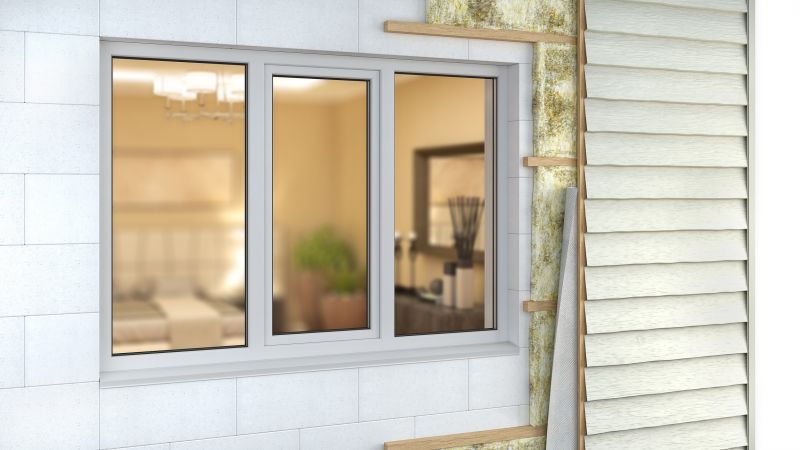
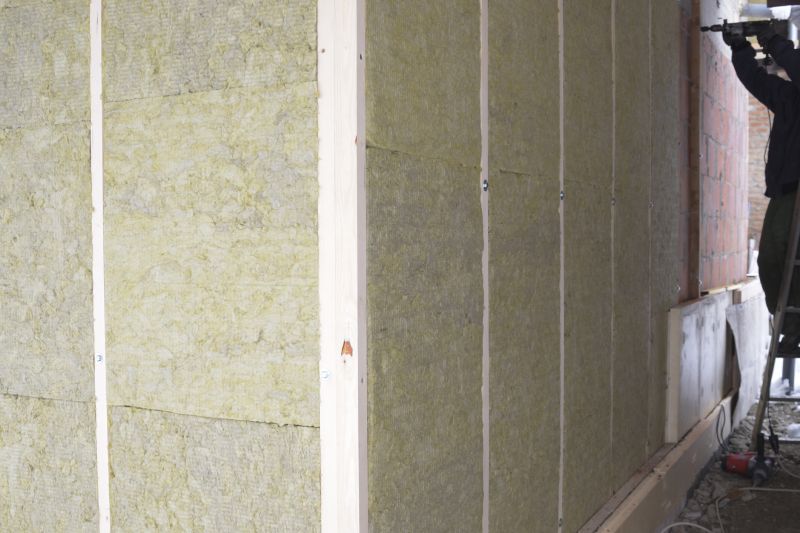
Insulated siding installation is a common project for property owners looking to improve energy efficiency and enhance the appearance of their homes. Local contractors are often called upon to replace or upgrade existing siding that has become damaged, worn, or outdated. Many property owners seek this work to better insulate their homes, reduce heating and cooling costs, and increase curb appeal, especially when preparing for seasonal changes or trying to address drafts and temperature fluctuations.
Homeowners in the area may also look for insulated siding services following weather-related issues such as storms or hail damage, or as part of a broader effort to modernize their exterior. Local service providers can help with installing new siding that provides better insulation and durability, offering a practical solution to improve comfort and protect the home’s structure. Whether updating an older property or maintaining a newer one, property owners often rely on local contractors to handle these projects efficiently and effectively.
What are the benefits of insulated siding? Insulated siding can improve energy efficiency, enhance curb appeal, and provide additional protection against weather elements.
Can insulated siding be installed on any type of home? Many types of homes can accommodate insulated siding, but it’s best to consult with local contractors to determine suitability.
What materials are used for insulated siding? Common materials include vinyl, fiber cement, and foam-backed composite panels, each offering different benefits.
How does insulated siding affect a home's appearance? It can enhance the exterior look by providing a smooth, uniform surface and can be painted or finished to match desired styles.
Are there different styles of insulated siding available? Yes, insulated siding comes in various styles, textures, and colors to complement different architectural preferences.
Energy Efficiency Improvements - Insulated siding installation can help property owners reduce energy costs by enhancing wall insulation and maintaining indoor temperature.
Home Exterior Updates - Upgrading to insulated siding is a practical way to refresh the appearance of a home’s exterior while adding durability.
Weather Resistance Enhancement - Installing insulated siding offers increased protection against harsh weather conditions, helping to prevent damage.
Soundproofing Benefits - Insulated siding can decrease outdoor noise, creating a quieter indoor environment for residents.
If you are thinking about Insulated Siding Installation for a property, this guide is meant to help you understand the work, the typical project types, and how different options might fit your plans.
When you are ready, you can use the quote form on this page to share a few details about your project. From there, local pros can review the basics and respond with options that match what you have in mind.